



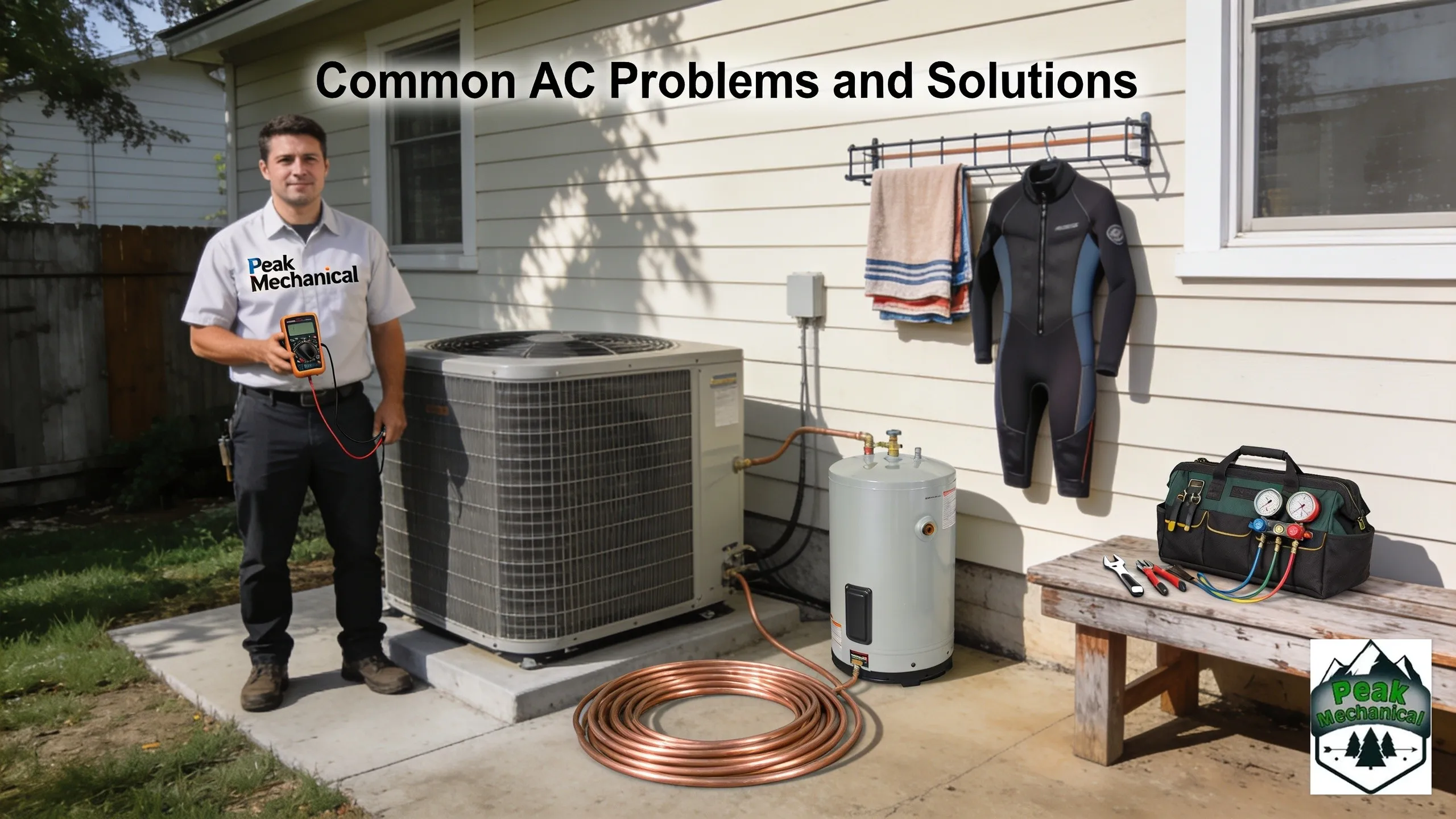
Common AC Problems and Solutions
At Peak Mechanical, LLC, we’ve spent decades helping homeowners in Waterbury, VT work through the most common AC problems — from units that won’t start to systems that never quite keep up with the summer heat. Our team, backed by over 50 years of combined expertise, restores comfort efficiently through proven troubleshooting methods and professional repairs that get it right the first time.
When your system stops performing, the root cause is almost always one of a handful of well-known issues: tripped breakers, short cycling, dirty filters, or blocked condensers. We diagnose these accurately and address them before they compound into larger failures. Scheduling an annual inspection with our team is the single most reliable way to prevent the kind of breakdowns that cut comfort on the hottest days of the year.
Key Takeaways
Reset tripped breakers and replace dirty filters before assuming your AC needs major repairs — these two steps alone resolve a large share of no-cooling calls we receive.
AC repair costs vary by issue and system type; minor fixes are far less expensive than the full replacements that result from ignored warning signs.
Short cycling, weak airflow, and warm air each signal specific problems that respond to targeted troubleshooting steps outlined in this guide.
Peak Mechanical, LLC backs new Daikin systems with a 12-year parts and 1-year labor warranty — one of the strongest coverage packages available in the residential market.
Reset tripped breakers and replace dirty filters before assuming your AC needs major repairs — these two steps alone resolve a large share of no-cooling calls we receive.
AC repair costs vary by issue and system type; minor fixes are far less expensive than the full replacements that result from ignored warning signs.
Short cycling, weak airflow, and warm air each signal specific problems that respond to targeted troubleshooting steps outlined in this guide.
Peak Mechanical, LLC backs new Daikin systems with a 12-year parts and 1-year labor warranty — one of the strongest coverage packages available in the residential market.
What Do You Need Before Starting AC Troubleshooting?
AC troubleshooting starts with three basic checks every homeowner completes before assuming a serious malfunction. Gathering the right tools and information first prevents wasted time and keeps the process safe.
Before reaching out to our team at Peak Mechanical, LLC, work through these steps in order:
Verify the thermostat mode — confirm the system is set to “cool” and the target temperature sits below the current room temperature. A thermostat left in “fan only” or “heat” mode is one of the most common reasons a system appears to have stopped working.
Reset tripped breakers — locate the electrical panel and check whether the breaker tied to the AC unit has flipped to the off position. A single reset often restores full operation with no further action needed.
Inspect and replace filters — a clogged filter restricts airflow and is one of the most overlooked causes of AC not cooling properly. Replacing a saturated filter takes minutes and frequently resolves weak airflow complaints before a service call is ever needed.
Verify the thermostat mode — confirm the system is set to “cool” and the target temperature sits below the current room temperature. A thermostat left in “fan only” or “heat” mode is one of the most common reasons a system appears to have stopped working.
Reset tripped breakers — locate the electrical panel and check whether the breaker tied to the AC unit has flipped to the off position. A single reset often restores full operation with no further action needed.
Inspect and replace filters — a clogged filter restricts airflow and is one of the most overlooked causes of AC not cooling properly. Replacing a saturated filter takes minutes and frequently resolves weak airflow complaints before a service call is ever needed.
What tools should homeowners have on hand before starting?
A flashlight, a replacement air filter sized for the unit, and access to the electrical panel cover the basics. Keeping the system’s owner manual nearby helps identify model-specific reset procedures quickly, and having it on hand speeds up any service call we make to your home.
When does AC troubleshooting go beyond DIY scope?
Some problems — refrigerant issues, electrical faults, and persistent common AC problems that return after basic fixes — require professional diagnosis. Our team at Peak Mechanical, LLC serves homeowners in Waterbury, VT, bringing over 50 years of combined commercial and residential expertise to every service call. We handle the repairs that go beyond what a homeowner safely addresses alone, restoring comfort without guesswork.
Why Won’t Your AC Unit Turn On?
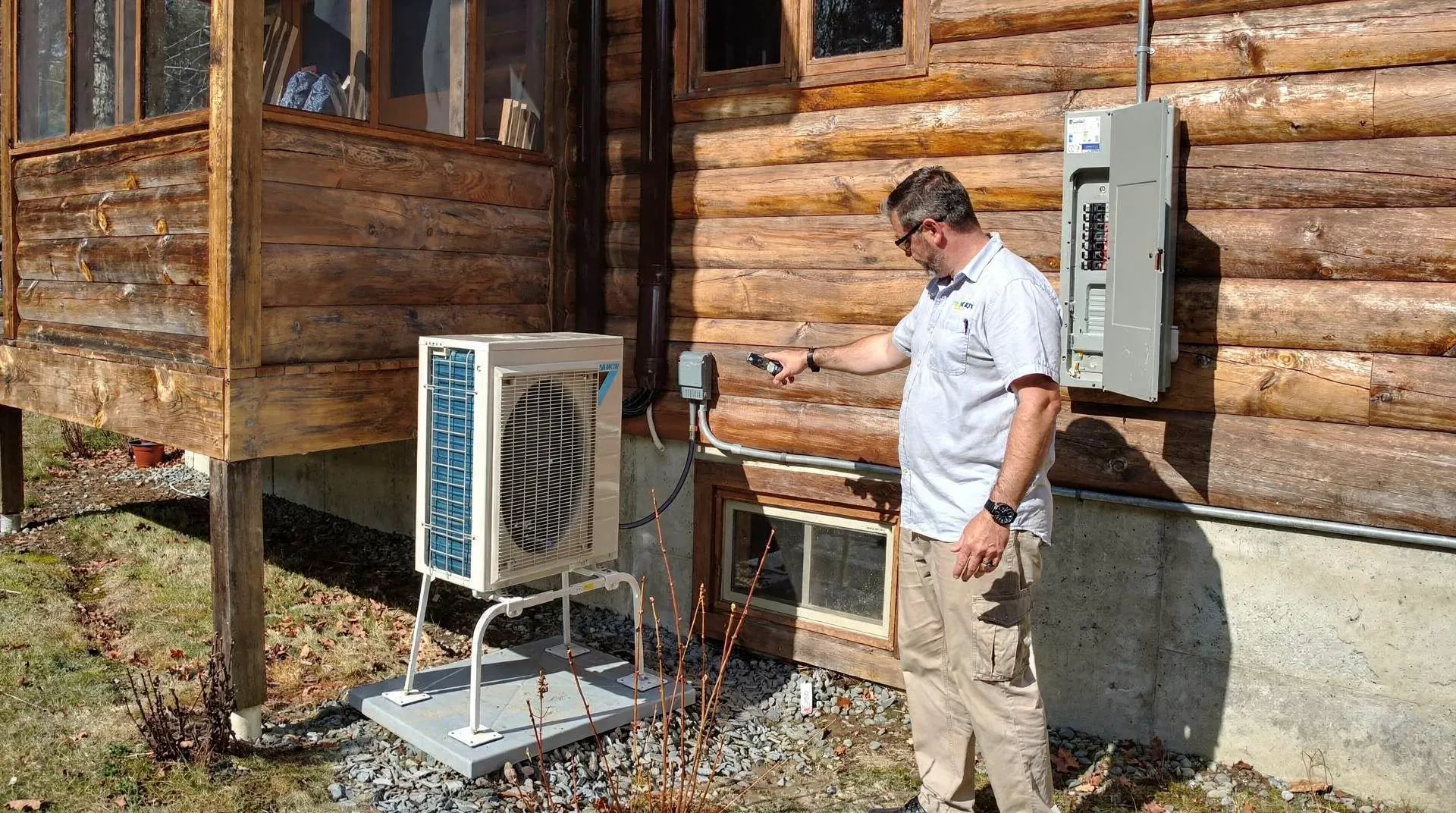
A tripped circuit breaker ranks among the most frequent causes of an AC unit that refuses to start. Electrical interruptions cut power to the entire system instantly, leaving a home without cooling even when the unit itself is undamaged.
AC troubleshooting for a no-start condition begins at the electrical panel. Before assuming a major mechanical failure, work through these steps in order:
Locate your fuse box — find the electrical panel, typically in a basement, utility room, or garage. Familiarizing yourself with its layout before a breakdown saves valuable time when cooling is urgently needed.
Identify the AC breaker — look for any breaker that has flipped to the middle or “off” position. Even a partially tripped breaker can cut power completely, so check carefully rather than glancing from a distance.
Reset the breaker — push the breaker fully to “off,” then firmly back to “on.” A satisfying click confirms the reset; a breaker that won’t hold signals a deeper electrical issue.
Return to the thermostat — set the system to “cool” and lower the temperature below the current room reading. Give the system a few minutes before concluding the reset has not worked.
Listen for startup — the outdoor condenser and indoor air handler should both engage within a few minutes. If only one engages, or neither does, the problem likely extends beyond a simple breaker trip.
Locate your fuse box — find the electrical panel, typically in a basement, utility room, or garage. Familiarizing yourself with its layout before a breakdown saves valuable time when cooling is urgently needed.
Identify the AC breaker — look for any breaker that has flipped to the middle or “off” position. Even a partially tripped breaker can cut power completely, so check carefully rather than glancing from a distance.
Reset the breaker — push the breaker fully to “off,” then firmly back to “on.” A satisfying click confirms the reset; a breaker that won’t hold signals a deeper electrical issue.
Return to the thermostat — set the system to “cool” and lower the temperature below the current room reading. Give the system a few minutes before concluding the reset has not worked.
Listen for startup — the outdoor condenser and indoor air handler should both engage within a few minutes. If only one engages, or neither does, the problem likely extends beyond a simple breaker trip.
What Should You Do If the Breaker Trips Again?
A breaker that trips repeatedly signals an underlying electrical problem, not a simple reset situation. Continuing to reset it without investigation risks damage to the system and creates a safety hazard that we would not want any of our customers to face alone. At that point, engaging a qualified electrical professional is the right call, and our team at Peak Mechanical, LLC is ready to assess the full situation safely and accurately.
When Should You Call Peak Mechanical, LLC for AC Repair?
Our team at Peak Mechanical, LLC handles AC not cooling and no-start diagnoses throughout Waterbury, VT. When a breaker reset does not restore operation, our experienced professionals identify the root cause and restore comfort efficiently. Electrical concerns, refrigerant issues, and component failures all fall within our scope of service.
Why Is Your AC Not Cooling the Space?
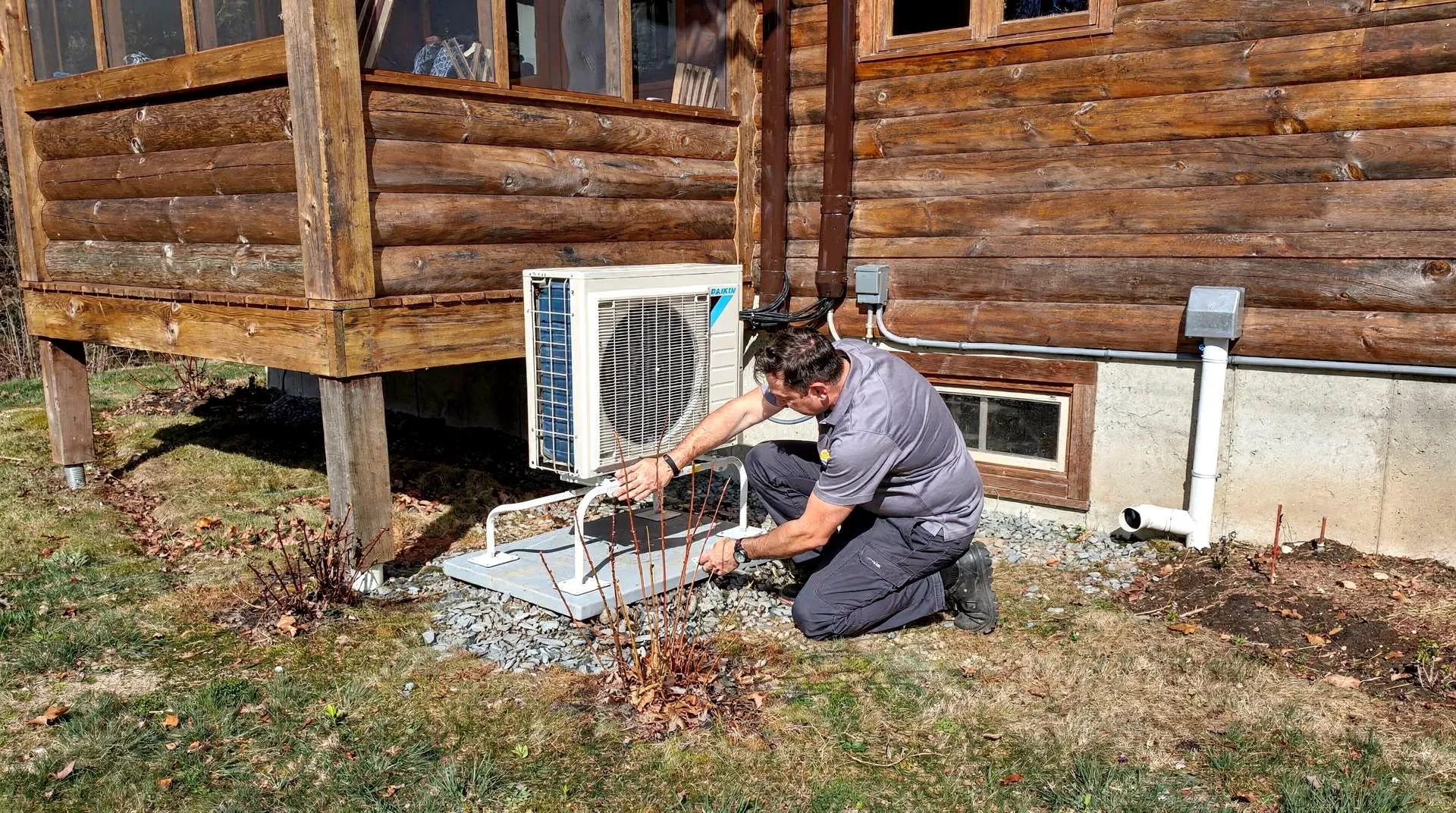
AC not cooling properly ranks among the most frustrating common AC problems homeowners face — and the root cause is almost always a restricted airflow issue. Dirty air filters, clogged evaporators, or blocked condenser units are the primary culprits that prevent an air conditioning system from delivering consistent, effective cooling.
Catching the problem early matters. Erratic cooling, unusual noises, increased energy bills, and uneven airflow are all warning signs that a system is struggling. Ignoring those early signals leads to more extensive damage, and more extensive damage means higher repair costs or a full system replacement — an outcome our team at Peak Mechanical, LLC works hard to help every homeowner in Waterbury, VT avoid.
What Are the First Steps in AC Troubleshooting?
Before calling for service, work through these foundational checks. Make sure the thermostat is set to “cool” and the system has power before beginning.
Replace or clean the air filter. A clogged filter blocks airflow and forces the system to overwork, shortening the life of key components. This is the single most impactful step a homeowner can take before placing a service call.
Open all supply and return vents. Closed vents create pressure imbalances that reduce cooling output throughout the home. Walk the entire space and confirm every vent is fully open and unobstructed by furniture or drapes.
Clear debris from the outdoor condenser unit. Leaves, grass clippings, and dirt restrict heat transfer and reduce efficiency significantly. Maintain at least two feet of clearance on all sides of the unit throughout the cooling season.
Inspect the condensate drain line. A clogged drain line causes moisture backup, which can trigger a safety shutoff and halt cooling entirely. Addressing this early prevents water damage to the air handler and surrounding areas.
Consider [professional duct cleaning](https://www.peakmechanicalvt.com/hvac-maintenance-plan-waterbury-vt/) if airflow remains weak after completing the steps above. Buildup inside the ductwork itself is a common culprit that no amount of filter changes will resolve on its own.
Replace or clean the air filter. A clogged filter blocks airflow and forces the system to overwork, shortening the life of key components. This is the single most impactful step a homeowner can take before placing a service call.
Open all supply and return vents. Closed vents create pressure imbalances that reduce cooling output throughout the home. Walk the entire space and confirm every vent is fully open and unobstructed by furniture or drapes.
Clear debris from the outdoor condenser unit. Leaves, grass clippings, and dirt restrict heat transfer and reduce efficiency significantly. Maintain at least two feet of clearance on all sides of the unit throughout the cooling season.
Inspect the condensate drain line. A clogged drain line causes moisture backup, which can trigger a safety shutoff and halt cooling entirely. Addressing this early prevents water damage to the air handler and surrounding areas.
Consider [professional duct cleaning](https://www.peakmechanicalvt.com/hvac-maintenance-plan-waterbury-vt/) if airflow remains weak after completing the steps above. Buildup inside the ductwork itself is a common culprit that no amount of filter changes will resolve on its own.
How Do You Know When the Problem Is Beyond a DIY Fix?
Some symptoms signal deeper mechanical issues that require professional AC troubleshooting. Persistent uneven airflow after clearing vents, unusual grinding or hissing noises, and a steady rise in energy bills despite normal usage all point to problems beyond a filter change. Our experienced team at Peak Mechanical, LLC diagnoses these issues accurately the first time, protecting your system from further harm.
How Do You Fix Short Cycling and Continuous Running?
Short cycling and continuous running are two of the most disruptive common AC problems a system can develop. Left unaddressed, both conditions force the compressor to work far harder than designed, accelerating wear and driving up energy costs for homeowners in Waterbury, VT.
Short cycling — when the system starts and stops in rapid, incomplete cycles — traces directly to dirty air filters, clogged evaporator coils, or blocked condenser units. Each of these restrictions prevents the system from completing a full, smooth cooling cycle, and the compressor bears the brunt of every failed attempt. An AC that runs without ever shutting off is equally problematic, and both issues demand a structured AC troubleshooting approach before the damage compounds.
What Steps Fix Short Cycling?
Before starting, confirm the air filter has been in service no longer than the manufacturer’s recommended interval. If it’s overdue for a change, start there — it resolves short cycling more often than homeowners expect.
Replace the air filter. A clogged filter starves the system of airflow and is the single most common trigger for short cycling. Our team at Peak Mechanical, LLC consistently finds that this one step resolves a meaningful share of short-cycling complaints we receive from Waterbury, VT homeowners.
Inspect the evaporator coil. Look for ice buildup or visible debris on the coil surface. Turn the system off and allow any ice to melt completely before restarting, then run it again to see if the cycling pattern returns.
Clear the condenser unit. Remove leaves, grass clippings, and any obstructions from all four sides of the outdoor unit. Maintain at least two feet of clearance and repeat this check at the start of every cooling season.
Restore power and test. Run the system through a full cycle and monitor whether the short cycling persists. If it does, the underlying cause likely requires professional diagnosis from our team.
Replace the air filter. A clogged filter starves the system of airflow and is the single most common trigger for short cycling. Our team at Peak Mechanical, LLC consistently finds that this one step resolves a meaningful share of short-cycling complaints we receive from Waterbury, VT homeowners.
Inspect the evaporator coil. Look for ice buildup or visible debris on the coil surface. Turn the system off and allow any ice to melt completely before restarting, then run it again to see if the cycling pattern returns.
Clear the condenser unit. Remove leaves, grass clippings, and any obstructions from all four sides of the outdoor unit. Maintain at least two feet of clearance and repeat this check at the start of every cooling season.
Restore power and test. Run the system through a full cycle and monitor whether the short cycling persists. If it does, the underlying cause likely requires professional diagnosis from our team.
Why Does an AC Run Continuously Without Shutting Off?
AC not cooling to the thermostat’s set point is the most common reason a system refuses to shut off — the unit keeps running because it never reaches its target temperature. Dirty filters and blocked airflow are frequent culprits here as well, and clearing them often resolves continuous running without any further intervention. If those steps don’t resolve it, the underlying cause likely involves refrigerant levels or electrical components that require the professional attention our team at Peak Mechanical, LLC provides. Scheduling an annual inspection remains the most reliable way to prevent both short cycling and continuous running before they develop into larger failures.
What Causes Poor Airflow and Uneven Cooling?
Poor airflow stems from three primary culprits: blocked vents, debris buildup around the outdoor condenser unit, and clogged drain lines. Left unaddressed, these issues force the entire system to work harder, driving up energy consumption and leaving rooms uncomfortably warm — a pattern we see regularly in homes throughout Waterbury, VT.
Uneven airflow is one of the clearest warning signs that an AC system needs professional attention. Rooms that feel significantly warmer than others, or vents that barely push air, signal a problem that worsens over time and almost never corrects itself without targeted intervention.
How Do You Fix Poor Airflow in an AC System?
Before calling our team at Peak Mechanical, LLC, work through these steps in order:
Open all supply and return vents — confirm no furniture, rugs, or drapes are blocking them. Even a single obstructed return vent can reduce whole-home airflow noticeably.
Clear debris from the outdoor condenser — remove leaves, grass clippings, and dirt from around the unit to restore unrestricted airflow. This step is especially important in the spring, when seasonal debris accumulates quickly around the condenser housing.
Inspect the drain line — a clogged condensate drain line backs up moisture and triggers safety shutoffs that reduce cooling output. Addressing it early prevents water damage and keeps the system running at full capacity.
Replace or clean the air filter — a saturated filter chokes airflow at the source and undermines every other component in the system. Check it monthly and replace it on the manufacturer’s recommended schedule without exception.
Schedule [professional duct cleaning](https://www.peakmechanicalvt.com/hvac-maintenance-plan-waterbury-vt/) — if the steps above don’t resolve the issue, buildup inside the ductwork itself may be the cause. Our team performs a thorough inspection and cleaning that restores airflow from the filter all the way through to every room in the home.
Open all supply and return vents — confirm no furniture, rugs, or drapes are blocking them. Even a single obstructed return vent can reduce whole-home airflow noticeably.
Clear debris from the outdoor condenser — remove leaves, grass clippings, and dirt from around the unit to restore unrestricted airflow. This step is especially important in the spring, when seasonal debris accumulates quickly around the condenser housing.
Inspect the drain line — a clogged condensate drain line backs up moisture and triggers safety shutoffs that reduce cooling output. Addressing it early prevents water damage and keeps the system running at full capacity.
Replace or clean the air filter — a saturated filter chokes airflow at the source and undermines every other component in the system. Check it monthly and replace it on the manufacturer’s recommended schedule without exception.
Schedule [professional duct cleaning](https://www.peakmechanicalvt.com/hvac-maintenance-plan-waterbury-vt/) — if the steps above don’t resolve the issue, buildup inside the ductwork itself may be the cause. Our team performs a thorough inspection and cleaning that restores airflow from the filter all the way through to every room in the home.
Can Smart Thermostats and System Components Affect Airflow?
Absolutely. An HVAC system is more than just the air handler and condenser — components such as air purifiers, heat pumps, control systems, and smart thermostats all influence how air moves through a building. A misconfigured control system or a malfunctioning heat pump disrupts the balance the entire system depends on, and identifying the source requires the kind of whole-system diagnostic our team is trained to perform.
Peak Mechanical, LLC offers indoor air quality services alongside our full range of heating and cooling solutions. Our experienced team diagnoses airflow problems at every level — from the filter to the ductwork — so comfort is restored efficiently and reliably for every homeowner we serve in Waterbury, VT.
How Do You Handle Refrigerant and Drainage Issues?
Refrigerant and drainage problems rank among the most disruptive common AC problems a system can develop. Left unaddressed, both issues compromise the air conditioner’s core function — removing heat and humidity from the home — and accelerate wear on the entire system in ways that lead to premature replacement.
What Happens When Refrigerant Runs Low?
Low refrigerant is a direct cause of AC not cooling performance and requires monitoring as part of routine annual maintenance. Unlike a clogged filter, low refrigerant is not a DIY fix — it requires specialized tools, proper handling procedures, and a licensed professional to address safely. Our experienced team at Peak Mechanical, LLC handles refrigerant service for residential and commercial customers in Waterbury, VT, and we address it as part of every comprehensive seasonal inspection we perform.
Why Does a Clogged Drain Line Matter?
The condensate drain line carries moisture out of the system, and when that line clogs, water backs up, humidity rises indoors, and cooling efficiency drops noticeably. Clearing the drain line is one of the most effective steps in AC troubleshooting, and it restores airflow and comfort faster than most homeowners expect when addressed promptly.
Follow these steps to address drainage issues before calling for service:
Locate the condensate drain line — typically a PVC pipe near the indoor air handler. Knowing where it is before a problem develops makes it faster to inspect and address when backup occurs.
Inspect the line for visible blockages, algae buildup, or standing water at the access point. Algae is the most common cause of drain line clogs and can be prevented with periodic flushing as part of routine maintenance.
Flush the line with a mixture of water to dislodge minor clogs. This step resolves the majority of early-stage blockages before they progress to a full safety shutoff.
Check the drain pan beneath the air handler for standing water, which signals a persistent blockage that flushing alone has not resolved. Standing water in the pan also creates conditions for mold growth inside the air handler.
Contact Peak Mechanical, LLC if the clog persists or water damage is present — our professional duct cleaning service restores optimal airflow and prevents recurring buildup throughout the system.
Locate the condensate drain line — typically a PVC pipe near the indoor air handler. Knowing where it is before a problem develops makes it faster to inspect and address when backup occurs.
Inspect the line for visible blockages, algae buildup, or standing water at the access point. Algae is the most common cause of drain line clogs and can be prevented with periodic flushing as part of routine maintenance.
Flush the line with a mixture of water to dislodge minor clogs. This step resolves the majority of early-stage blockages before they progress to a full safety shutoff.
Check the drain pan beneath the air handler for standing water, which signals a persistent blockage that flushing alone has not resolved. Standing water in the pan also creates conditions for mold growth inside the air handler.
Contact Peak Mechanical, LLC if the clog persists or water damage is present — our professional duct cleaning service restores optimal airflow and prevents recurring buildup throughout the system.
Routine annual inspections catch both refrigerant and drainage issues early. Our team serves Waterbury, VT with the expertise to keep every system running at full capacity through every season.
When Should You Call a Professional for AC Repairs?
Certain AC failures go beyond simple filter swaps or thermostat resets. Wiring faults, refrigerant handling, and circuit breaker issues all require a licensed professional, and attempting these repairs without proper training puts your home and family at risk.
AC troubleshooting covers a wide range of tasks, and knowing where the DIY boundary ends protects you from costly mistakes. When an air conditioner stops doing its job effectively, the discomfort inside your home compounds quickly — and delayed repairs often turn minor issues into major system failures that our team at Peak Mechanical, LLC sees far too often.
What are the warning signs that your AC needs professional repair?
Pay close attention to these signals — each one points to a problem that goes beyond routine maintenance and warrants a call to our team:
AC not cooling evenly throughout your home, with some rooms noticeably warmer than others. This pattern typically points to a refrigerant, ductwork, or airflow issue that requires professional diagnosis to resolve correctly the first time.
Unusual noises — grinding, banging, or squealing — coming from the indoor or outdoor unit. These sounds indicate mechanical stress or component wear that worsens rapidly when the system continues to run.
Erratic cooling cycles where the system starts and stops without reaching the set temperature. Short cycling at this level places extreme stress on the compressor and shortens the overall lifespan of the system significantly.
A sudden spike in energy costs without any change in usage habits. An unexplained increase in monthly bills is one of the most reliable early indicators of a system working harder than it should to maintain comfort.
Uneven airflow from vents, even after replacing the filter. Persistent airflow imbalances point to ductwork problems, blower issues, or blockages that require the equipment and expertise our team brings to every service call.
AC not cooling evenly throughout your home, with some rooms noticeably warmer than others. This pattern typically points to a refrigerant, ductwork, or airflow issue that requires professional diagnosis to resolve correctly the first time.
Unusual noises — grinding, banging, or squealing — coming from the indoor or outdoor unit. These sounds indicate mechanical stress or component wear that worsens rapidly when the system continues to run.
Erratic cooling cycles where the system starts and stops without reaching the set temperature. Short cycling at this level places extreme stress on the compressor and shortens the overall lifespan of the system significantly.
A sudden spike in energy costs without any change in usage habits. An unexplained increase in monthly bills is one of the most reliable early indicators of a system working harder than it should to maintain comfort.
Uneven airflow from vents, even after replacing the filter. Persistent airflow imbalances point to ductwork problems, blower issues, or blockages that require the equipment and expertise our team brings to every service call.
When is it unsafe to handle AC repairs yourself?
Electrical repairs are never a DIY project. Wiring problems, circuit breaker faults, and any work involving your AC’s electrical components require a licensed professional to keep your home safe — these are situations where cutting corners creates real danger, and our team at Peak Mechanical, LLC is always the right call. Refrigerant handling carries additional regulatory requirements and health risks; this work must always be performed by a qualified service provider with the proper tools and credentials.
Our partners at Peak Mechanical, LLC bring over 50 years of combined commercial and residential expertise to every service call in Waterbury, VT. We operate with old-school values: honest assessments, reliable repairs, and a genuine commitment to restoring your comfort. When common AC problems escalate beyond basic fixes, our experienced team delivers the expert solutions your system needs — without shortcuts.
How Do You Prevent Future AC Problems Long-Term?
Preventing common AC problems starts with three non-negotiable habits: replacing filters on schedule, booking annual professional inspections, and keeping the outdoor condenser unit free of debris. Homeowners who skip these steps face accelerated equipment wear, reduced airflow, and the kind of AC not cooling failures that shut down comfort on the hottest days of the year in Waterbury, VT.
Follow these steps every season to protect your system:
Replace air filters regularly. A clogged filter starves your system of airflow and forces every component to work harder than it was designed to. Check filters monthly and replace them on the manufacturer’s recommended schedule — this single habit prevents more service calls than any other maintenance step.
Clear the outdoor condenser unit. Remove leaves, grass clippings, and any debris from around the condenser at the start of each cooling season. Maintain at least two feet of clearance on all sides to allow proper airflow and prevent the overheating that accelerates compressor wear.
Schedule an annual professional inspection. Our experienced team at Peak Mechanical, LLC performs a full AC troubleshooting review — checking refrigerant levels, electrical connections, and mechanical components — before problems develop into costly failures. An annual visit from our team is consistently the most cost-effective investment a homeowner can make in their system’s long-term health.
Monitor refrigerant levels. Low refrigerant is a leading cause of poor cooling performance and should be checked as part of every annual inspection. Leave refrigerant checks and recharges to a licensed professional; this is not a DIY task under any circumstances.
Book a heat pump tune-up if applicable. Heat pumps deliver efficient heating and cooling in a single system, making them an ideal choice for homeowners who want to optimize comfort while managing energy costs. Peak Mechanical, LLC offers dedicated heat pump maintenance and tune-up services to keep these systems performing at their best through every season.
Replace air filters regularly. A clogged filter starves your system of airflow and forces every component to work harder than it was designed to. Check filters monthly and replace them on the manufacturer’s recommended schedule — this single habit prevents more service calls than any other maintenance step.
Clear the outdoor condenser unit. Remove leaves, grass clippings, and any debris from around the condenser at the start of each cooling season. Maintain at least two feet of clearance on all sides to allow proper airflow and prevent the overheating that accelerates compressor wear.
Schedule an annual professional inspection. Our experienced team at Peak Mechanical, LLC performs a full AC troubleshooting review — checking refrigerant levels, electrical connections, and mechanical components — before problems develop into costly failures. An annual visit from our team is consistently the most cost-effective investment a homeowner can make in their system’s long-term health.
Monitor refrigerant levels. Low refrigerant is a leading cause of poor cooling performance and should be checked as part of every annual inspection. Leave refrigerant checks and recharges to a licensed professional; this is not a DIY task under any circumstances.
Book a heat pump tune-up if applicable. Heat pumps deliver efficient heating and cooling in a single system, making them an ideal choice for homeowners who want to optimize comfort while managing energy costs. Peak Mechanical, LLC offers dedicated heat pump maintenance and tune-up services to keep these systems performing at their best through every season.
What Warranty Protection Should Homeowners Look For?
Equipment quality and warranty coverage directly affect long-term reliability. Peak Mechanical, LLC partners with Daikin to offer a 12-year parts warranty and a 1-year labor warranty on new Daikin systems — one of the strongest coverage packages available in the residential market. Investing in a well-warranted system reduces the financial risk of unexpected component failures over the life of the equipment.
How Often Should a Professional Inspect My AC System?
Annual inspections are the industry standard for maintaining peak performance, and our team at Peak Mechanical, LLC consistently finds developing issues — worn belts, low refrigerant, dirty coils — that a homeowner would never catch on their own. Waiting until a breakdown occurs means paying more and enduring discomfort that a single preventive visit would have avoided entirely.
Ready to Restore Your Home’s Comfort? Contact Peak Mechanical, LLC Today
Addressing common AC problems early keeps your home comfortable and helps your system perform reliably through every season. Whether the issue involves restricted airflow, refrigerant concerns, or an unresponsive thermostat, understanding the root cause is the first step toward a lasting solution. At Peak Mechanical, LLC, our technicians bring the depth of expertise and commitment to quality that homeowners in Waterbury, VT deserve. When troubleshooting reaches its limits, trust our experienced team to restore your comfort with precision and care — reach out to us today to schedule your service appointment.
FAQ
What is the average cost of an AC repair?
Repair costs vary depending on the issue and the components involved, and addressing problems early consistently leads to lower overall costs than waiting for a full breakdown. Contact Peak Mechanical, LLC directly for an accurate assessment based on your system’s specific needs.
What is the first step when an AC unit refuses to turn on?
Locate the electrical panel, identify the tripped breaker, reset it fully to “on,” then set the thermostat to “cool” below the current room temperature. If the breaker trips again after reset, stop and call our team at Peak Mechanical, LLC — repeated tripping signals an underlying issue that requires professional attention.
What warranty does Peak Mechanical, LLC offer on new Daikin systems?
Peak Mechanical, LLC partners with Daikin to back new systems with a 12-year parts and 1-year labor warranty. This coverage gives homeowners in Waterbury, VT confidence that unexpected component failures won’t translate into unexpected expenses during the warranty period.